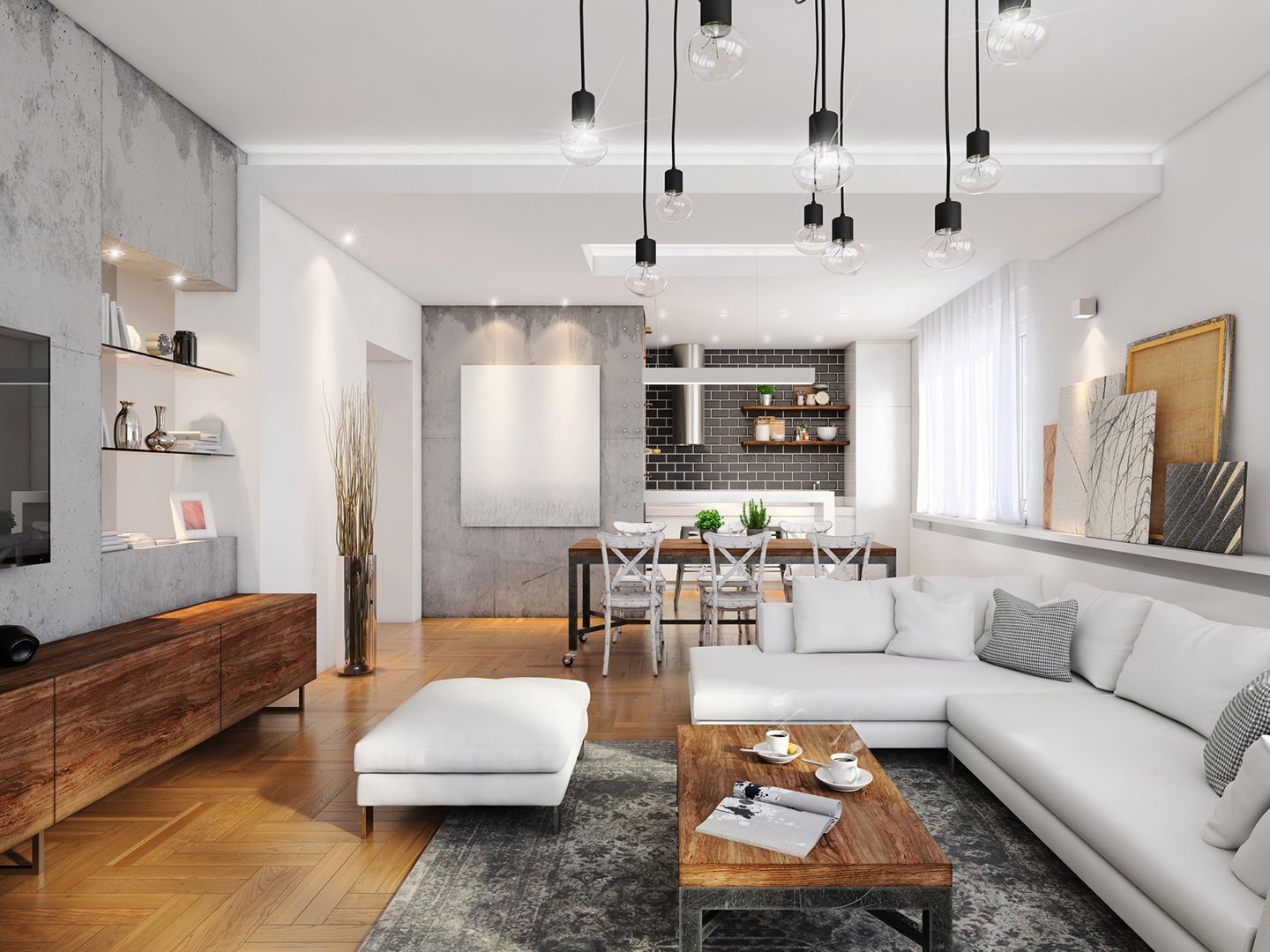
Lighting is one of the most transformative elements in interior design. The right lighting can make a small room feel spacious, highlight architectural features, and create a welcoming atmosphere. Professionals understand that lighting is not just about visibility; it’s about mood, functionality, and enhancing the overall aesthetics of a space. Whether you’re redesigning your living room, office, or bedroom, adopting a pro approach to lighting can completely change how your space feels.
Understanding the Role of Lighting in Interior Design
Lighting is more than a practical necessity—it shapes perception. Natural light can energize a room, highlighting textures and colors, while poorly designed artificial lighting can make even the most elegant space feel dull or cramped. Many homeowners make the mistake of relying solely on overhead lights, ignoring the layered approach that designers use to balance ambiance, function, and accent. Recognizing the different roles lighting plays—ambient, task, and accent—is the first step toward designing like a pro.
Layering Your Lighting Like a Professional
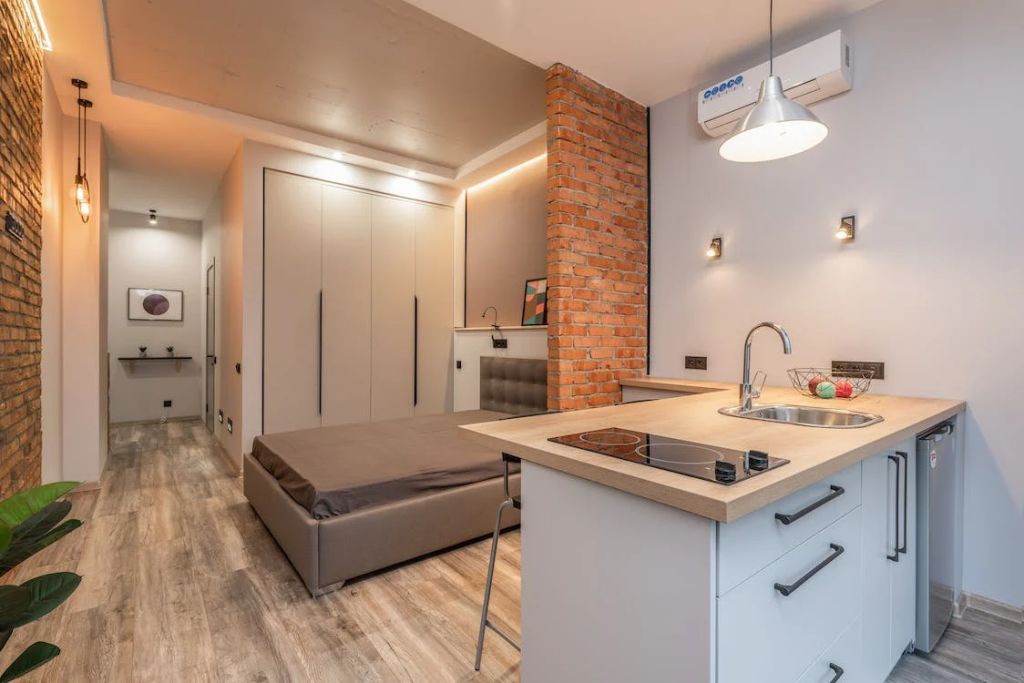
Professional designers never rely on a single light source. Ambient lighting provides the overall illumination needed to navigate a room comfortably, while task lighting ensures specific activities, like reading or cooking, are well lit. Accent lighting adds depth, drawing attention to artwork, textures, or architectural features. When these layers work together, a space feels both functional and visually appealing. Layering allows flexibility, ensuring that a room can adapt to different moods or purposes without sacrificing comfort.
Choosing the Right Light Fixtures
Selecting the right fixtures is crucial to achieving professional lighting. The style, size, and placement of a fixture can dramatically alter a room’s atmosphere. Ceiling lights can provide broad illumination, but without complementary floor lamps or wall sconces, they often leave corners in shadow. A modern minimalist space may benefit from sleek, unobtrusive fixtures, while a rustic room can be enhanced with industrial or vintage designs. Placement is equally important; light should hit surfaces and objects strategically, enhancing both aesthetics and functionality.
Color Temperature and Brightness Control
Understanding light’s color temperature is essential. Warm light creates a cozy, inviting ambiance, ideal for living areas or bedrooms, while cool light supports focus and clarity, making it suitable for offices and kitchens. Brightness should also be carefully managed; too little light can feel gloomy, while excessive brightness may overwhelm. Professionals often use dimmers to adjust light levels, ensuring spaces remain adaptable throughout the day and for different activities.
Maximizing Natural Light
Natural light is one of the easiest ways to brighten a space like a pro. Windows, glass partitions, and mirrors can reflect and amplify sunlight, creating the illusion of more space. Choosing light-colored walls and surfaces enhances reflection, while thoughtful window treatments prevent obstruction without compromising privacy. Even small adjustments, like repositioning furniture or trimming outdoor foliage, can dramatically improve the quality of natural light entering a room.
Lighting Design for Different Spaces

Different rooms have unique lighting needs. In living rooms, a combination of ambient and accent lighting creates a cozy yet functional environment. Kitchens benefit from bright task lighting over counters and islands to make cooking safer and more efficient. Bedrooms thrive with layered lighting that allows for both relaxation and practical illumination for reading or getting ready. Bathrooms require clear, flattering light, especially around mirrors, while offices need lighting that promotes focus and reduces eye strain. Professionals adjust their approach according to the room’s purpose, balancing style and functionality.
Smart Lighting Solutions
Smart lighting has revolutionized how spaces are illuminated. With app-controlled bulbs and voice assistants, you can adjust brightness, color temperature, and even schedule lighting to match daily routines. Energy-efficient options like LEDs not only save electricity but also provide flexible, long-lasting solutions. Motion sensors, programmable timers, and multi-zone controls allow spaces to adapt to changing needs seamlessly. The smart approach enables a professional-level ambiance without the need for constant manual adjustment.
Common Lighting Mistakes to Avoid
Many people unintentionally sabotage their spaces with poor lighting choices. Over-reliance on a single overhead fixture can create harsh shadows, inconsistent color temperatures can make a room feel disjointed, and improperly placed lights may leave key areas under-illuminated. Understanding these pitfalls and adjusting lighting strategically ensures that a room feels balanced, inviting, and functional.
Creating a professionally lit space requires thoughtful layering, careful fixture selection, strategic use of natural light, and modern smart solutions. Small changes, from adding accent lighting to incorporating dimmers, can make a significant impact. With attention to detail and an understanding of how lighting affects both aesthetics and functionality, anyone can brighten their space like a pro, enhancing comfort, style, and mood.