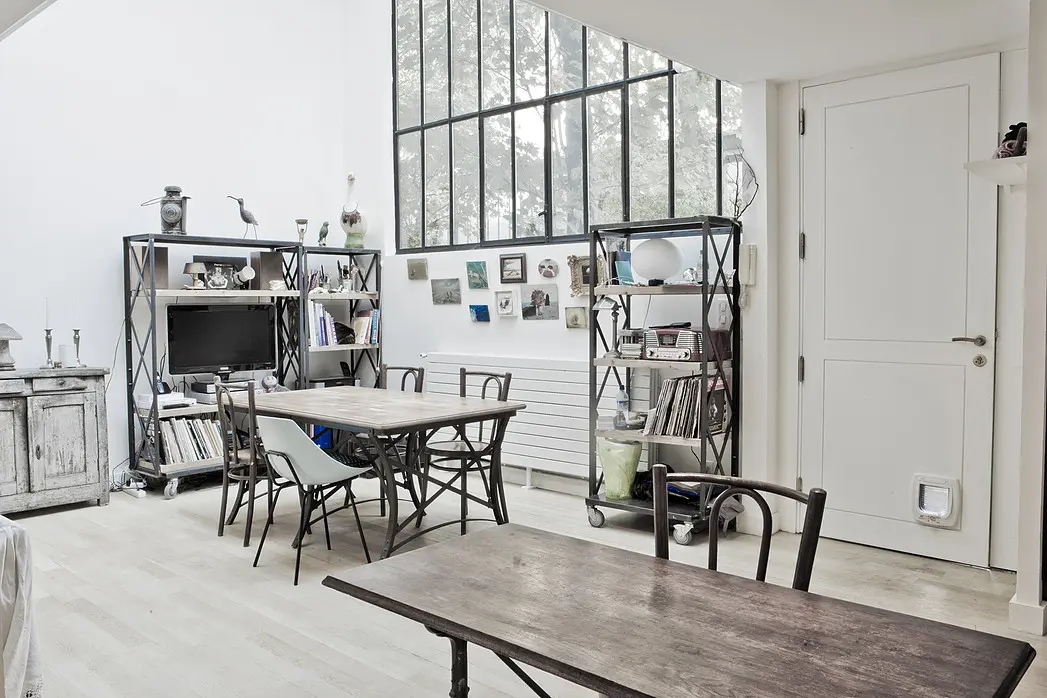
Industrial loft design has become one of the most captivating approaches in modern interior design. It combines the raw, unfinished charm of old warehouses with the comfort and sophistication required in contemporary living spaces. With its exposed beams, weathered brick walls, and sleek furnishings, this design trend speaks to those who appreciate both authenticity and luxury. The magic lies in the way rugged textures merge with modern elements to create a home that feels both stylish and welcoming.
What is Industrial Loft Design?
The origins of industrial loft design can be traced back to the mid-20th century, when old factories and warehouses in urban centers were converted into residential spaces. Instead of hiding the rough features of these buildings, designers embraced them. High ceilings, expansive windows, and open floor plans became the signature look of lofts. Today, this style resonates with city dwellers who value minimalism, openness, and character. Unlike traditional home layouts, lofts emphasize fluid spaces that allow creativity in zoning and decoration.
Core Elements of Industrial Loft Interiors

Raw Materials as the Foundation
At the heart of industrial loft design lies the use of raw materials. Exposed brickwork, steel beams, and concrete floors aren’t just background features—they are the design itself. Reclaimed wood is often introduced to balance the hardness of metal and stone, adding warmth and sustainability to the space. The beauty of imperfections, like chipped paint or weathered textures, gives each loft a unique story that cannot be replicated by artificial finishes.
Open Space and High Ceilings
Industrial lofts thrive on openness. Walls are kept to a minimum, allowing natural light to flood the interior through oversized windows. Instead of separating rooms with heavy structures, designers rely on furniture placement and subtle partitions to define areas. The result is a home that feels expansive, breathable, and adaptable to multiple functions—be it living, working, or entertaining.
Neutral and Earthy Color Palettes
Color plays a vital role in setting the tone. Shades of gray, black, and white form the backbone of industrial interiors, while earthy browns and warm metallics soften the atmosphere. This palette allows the raw materials to stand out and ensures the space feels cohesive rather than chaotic. Occasionally, designers add bold accents such as deep blues or forest greens, but they never overshadow the neutral base.
Industrial Furniture and Lighting
Furniture in industrial lofts is simple yet powerful. Sturdy leather sofas, solid wood dining tables, and steel-framed chairs create a grounded aesthetic. Lighting becomes a focal point, with pendant lamps, exposed Edison bulbs, and track systems highlighting the architectural features. Many homeowners incorporate vintage pieces that add character, blending seamlessly with modern fixtures for a timeless appeal.
Modern Comfort in Industrial Loft Design

Softening the Raw Aesthetic
While the raw aesthetic is the hallmark of industrial style, comfort is what makes it livable. Soft fabrics such as wool rugs, velvet cushions, and linen curtains are used to balance out the hardness of brick and steel. Plants often make their way into lofts, providing a refreshing contrast to the urban ruggedness.
Technology and Smart Home Integration
Behind the rugged appearance, industrial lofts often hide the latest technologies. Underfloor heating ensures comfort in winter, while advanced insulation keeps the space energy-efficient. Smart lighting, climate control, and sound systems bring convenience without disrupting the aesthetic. The best industrial lofts appear raw but live like luxury homes.
Creating Cozy Zones
Since lofts are open spaces, coziness must be created intentionally. Designers achieve this by layering lighting, arranging furniture in clusters, and introducing glass or steel partitions that preserve openness while creating intimacy. Reading corners, breakfast nooks, and office pods can all exist harmoniously within the larger industrial shell.
Tips for Achieving Industrial Loft Design at Home
Even if you don’t live in a converted warehouse, you can bring industrial loft design into your home by focusing on a few key details:
- Start with one defining feature such as an exposed brick wall, a steel-framed glass partition, or concrete flooring.
- Mix vintage furniture finds with modern minimalist pieces.
- Choose lighting that makes a statement while also being practical.
- Incorporate natural elements like wood, leather, and greenery to soften the overall look.
Examples of Industrial Loft Spaces
In living rooms, exposed brick walls paired with oversized windows create a dramatic backdrop for sleek furniture. Bedrooms often feature a combination of steel-framed beds and warm textiles that bring coziness to the raw structure. Kitchens lean on functionality with open shelving, metal finishes, and durable countertops, while dining spaces benefit from long communal tables that encourage togetherness. Even workspaces thrive in lofts, where the openness sparks creativity and collaboration.
Common Mistakes to Avoid
While the industrial style is flexible, certain pitfalls can undermine its appeal. Overusing raw materials without balance can make the space feel cold or unfinished. Dark color schemes, if not countered with adequate natural light, may feel oppressive rather than chic. Another common mistake is sacrificing comfort for the sake of aesthetics—without soft textures and cozy zones, a loft risks feeling more like a factory than a home.
Industrial loft design is more than a style; it is a philosophy that values authenticity while embracing comfort. By blending raw architectural elements with modern conveniences, it creates spaces that are both striking and livable. Whether you live in a downtown loft or a suburban apartment, introducing industrial design principles can transform your home into a timeless haven that balances history with modernity.