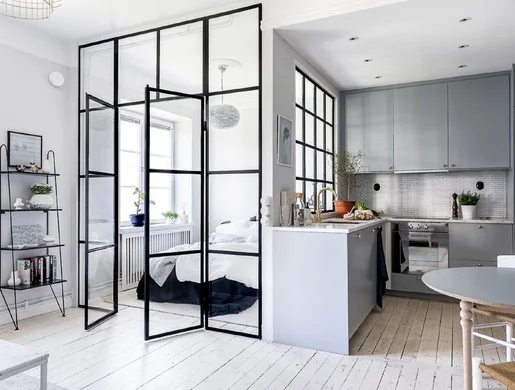
Designing small spaces has always been a challenge. Limited square footage often means that homeowners and office planners have to sacrifice either comfort or style. Yet, with the rise of modern interior solutions, one feature stands out as both practical and visually appealing: glass partitions. Unlike traditional walls, which cut off light and make a room feel cramped, glass allows spaces to breathe while still providing separation. The result is an environment that feels larger, brighter, and more functional.
Benefits of Glass Partitions in Small Spaces
One of the most significant advantages of glass partitions is the way they invite natural light to flow freely throughout a room. In compact apartments or offices, where windows might be limited, the ability of glass to distribute sunlight is transformative. A bright space not only feels larger but also contributes to a more positive atmosphere and even improved productivity.
Another benefit is the illusion of openness. Glass doesn’t create a heavy visual barrier, which means a divided room still feels cohesive. For example, in a studio apartment, a partition can separate the sleeping area from the living area without making the entire home feel like a collection of boxes. Similarly, in small offices, glass partitions create private meeting rooms that don’t close off the team from one another.
Practical zoning is another reason to choose glass. Compact homes and offices often need to serve multiple functions in the same footprint. With glass, it is possible to carve out distinct areas for work, dining, or relaxation, all while avoiding the clutter of furniture or opaque walls.
Types of Glass Partitions for Small Spaces

Frameless glass partitions are a popular option for those who prefer minimalism. Their clean lines and nearly invisible edges contribute to a modern aesthetic while maximizing the sense of openness. Sliding glass walls, on the other hand, are perfect for tight areas where swinging doors take up too much room. They combine functionality with elegance and are especially useful in apartments where every inch matters.
For those who value privacy, frosted or tinted glass offers an excellent balance between openness and discretion. It allows light to flow while ensuring that certain spaces, like bathrooms or bedrooms, remain private. Steel-framed partitions bring yet another layer of character. Often associated with industrial or loft-style interiors, they add both functionality and a bold design statement to small living or working areas.
Design Ideas and Applications
Glass partitions are not just functional—they are design elements that can dramatically change the look and feel of a space. In studio apartments, for example, they create distinct zones for living, working, and sleeping. The home feels organized without being visually cramped. In small offices, glass partitions enable the creation of conference areas or quiet work zones while maintaining an open-plan atmosphere that encourages collaboration.
Bathrooms and kitchens also benefit from this approach. A frosted sliding partition can make a bathroom feel larger while ensuring privacy, and in kitchens, glass can separate cooking areas without cutting them off from dining or living spaces. Creative homeowners even use partitions for staircases, closets, or small home libraries, turning ordinary features into focal points.
Tips for Choosing and Installing Glass Partitions

When selecting a partition, it is important to consider the overall style of the interior. A frameless option blends into modern minimalism, while steel-framed glass complements industrial or contemporary settings. Safety should always be a priority, which is why tempered or laminated glass is recommended for residential and commercial use. These materials are stronger than regular glass and are designed to withstand everyday wear and tear.
Maintenance is another factor to keep in mind. While glass does require cleaning to maintain its shine, modern coatings make it resistant to fingerprints and stains, reducing the amount of upkeep. Finally, custom designs installed by professionals can ensure a seamless fit and long-term durability.
Cost Considerations
The cost of glass partitions varies depending on several factors: the type of glass, the size of the installation, and whether framing is included. Frameless partitions tend to be more expensive due to their precision design, while frosted or steel-framed versions can range in price based on customization. While the initial cost may be higher than traditional drywall, glass offers long-term value. It enhances property appeal, reduces the need for artificial lighting, and contributes to a more versatile use of space, all of which provide excellent return on investment.
Glass partitions offer a unique opportunity to transform small spaces into functional, stylish, and inviting environments. By allowing natural light to flow, creating the illusion of openness, and providing flexible zoning, they solve many of the challenges that come with compact living or working areas. Whether you are redesigning a studio apartment, a small office, or even a bathroom, glass partitions present a solution that is as practical as it is beautiful.